The UK government published guidance on November 4, 2026 on how the EU AI Act applies in Northern Ireland under the Windsor Framework from November 10, 2026.
The Act does not apply in Northern Ireland in full. It applies only where an AI system is closely integrated with a tangible physical product placed on the Northern Ireland market. Obligations fall mostly on providers, product manufacturers, importers and distributors.
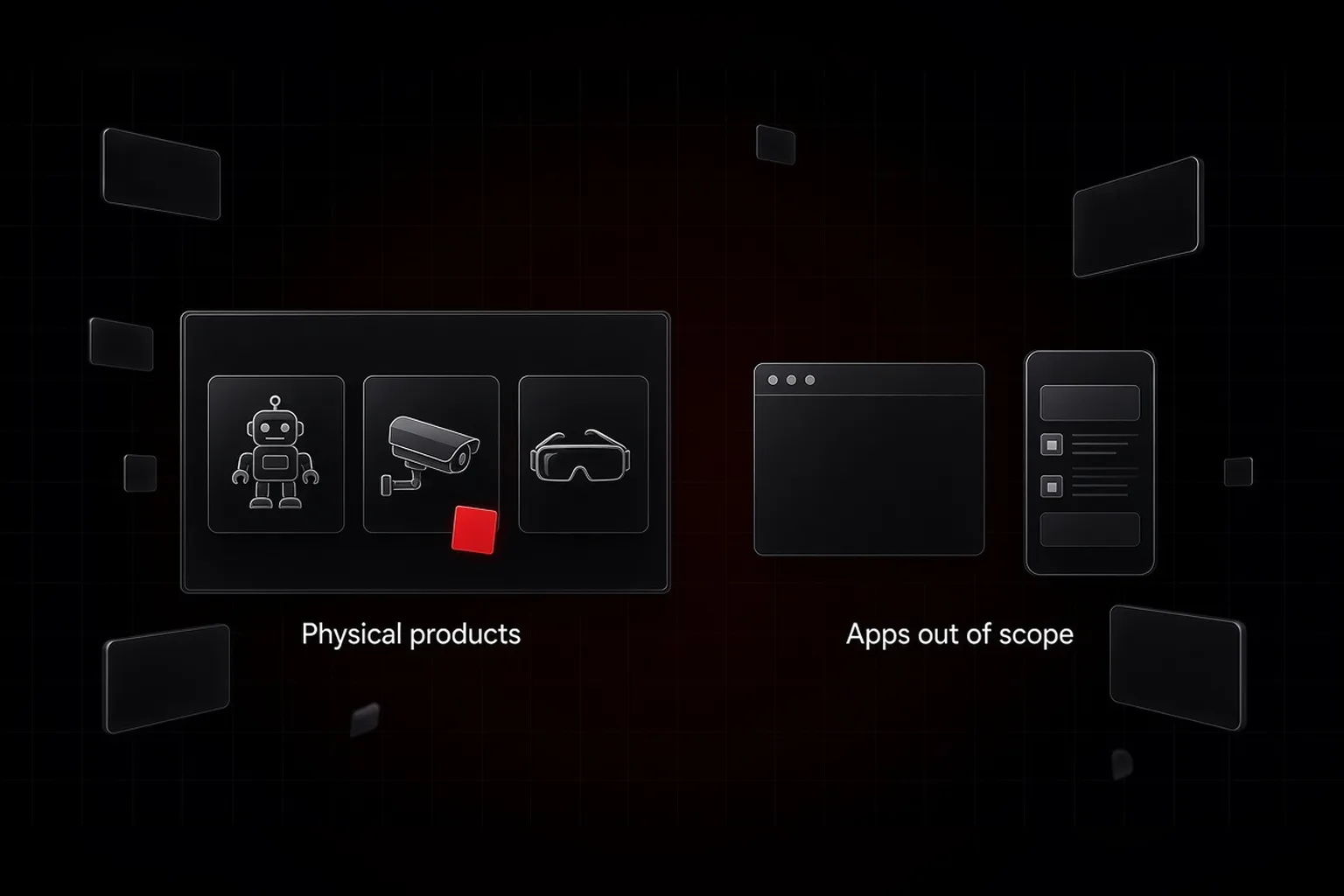
Out of scope: standalone or downloadable AI software, including AI used through a browser, app or API, unless it is closely integrated with a physical product. Rules on the use of AI and direct obligations on general purpose AI model providers also do not apply there.
In scope, with examples from the guidance: high-risk AI used as a safety component in regulated products such as toys, lifts and medical devices; Annex III high-risk uses built into a product, such as a camera that monitors road traffic; and transparency duties for products such as robot pets or augmented reality glasses.
The dates for products in scope:
November 10, 2026: prohibited practices, AI literacy and disclosure that a user is interacting with AI.
December 2, 2026: the bans on generating non-consensual intimate imagery and child sexual abuse material, and marking of AI-generated content.
December 2, 2027: Annex III high-risk systems.
August 2, 2028: high-risk AI as safety components of Annex I regulated products.
Why this matters
Northern Ireland now has a split regime: AI in a device sold there follows EU rules, while the same model in an app does not. Manufacturers shipping AI hardware into the UK need to check Northern Ireland separately from Great Britain.
Sources: GOV.UK publication, guidance document.
This article is not legal advice.