
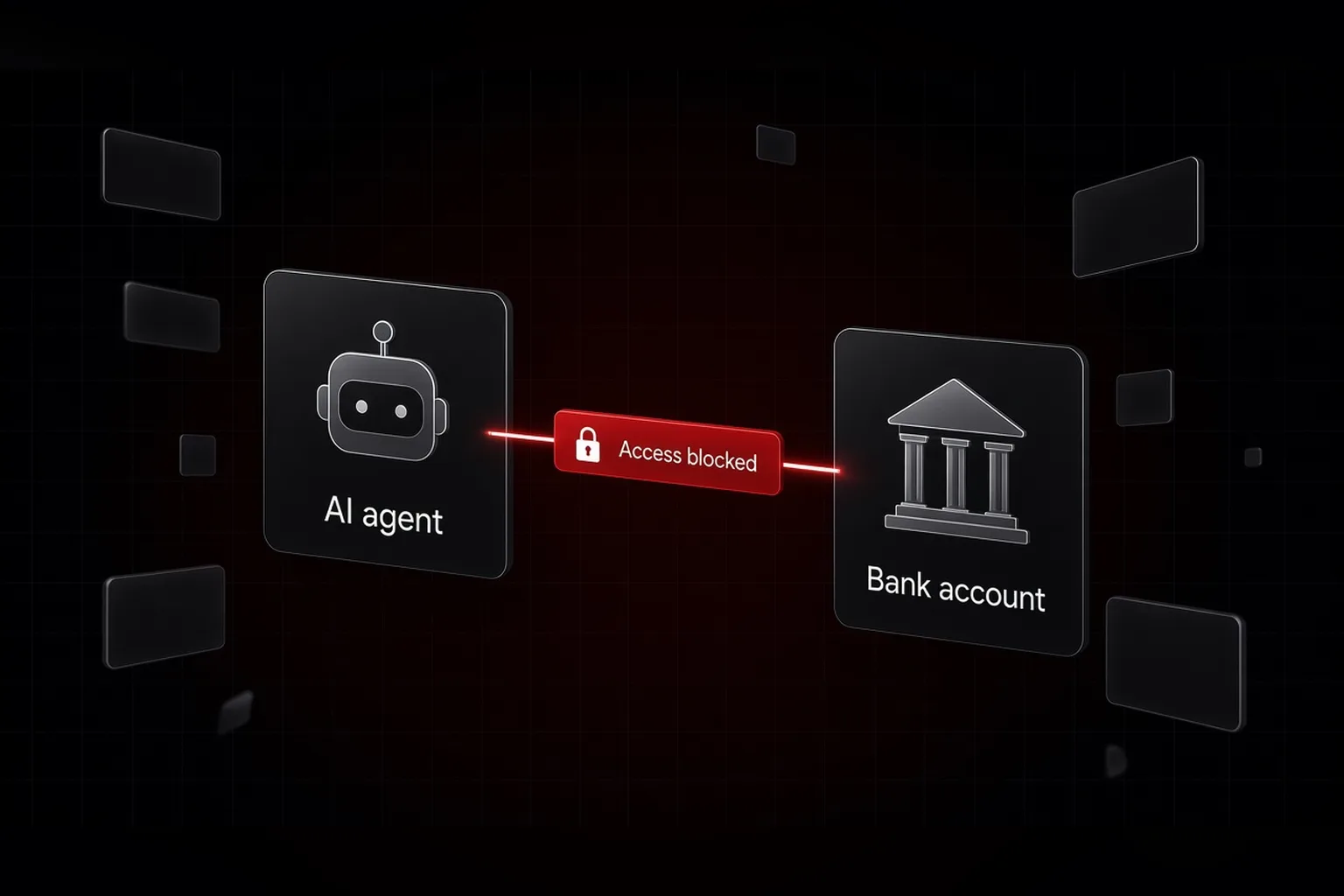
Royal Bank of Canada, TD Bank, CIBC and Bank of Montreal say they will block third-party personal AI agents from directly accessing client accounts, CBC News reported on October 29, 2026. Scotiabank said it will limit such agents on its banking platforms while it monitors concerns.
The agents in question include Meta's Muse assistant and OpenAI's ChatGPT. With a client's authorization, they can connect to bank accounts and credit cards, monitor balances and transaction histories and comment on spending. Purchases typically still require human approval.
The banks cite security and privacy. RBC said it weighed the risk before blocking these applications from its online banking platforms. TD said it will block all third-party personal AI agents from direct access to banking information where authentication is required, and that clients should never share log-in credentials, passwords, PINs or one-time passcodes with an AI agent. CIBC said it does not support personal AI agents directly opening or accessing accounts.
The move follows warnings from the chief executives of RBC and BMO. On October 28, RBC CEO Dave McKay wrote on LinkedIn that as these systems become more autonomous, "the stakes go up when something goes wrong". CBC also cites an Axios report from the previous week that Morgan Stanley, Bank of America, JPMorgan and Wells Fargo had detected unauthorized third-party AI agents inside customer accounts, in some cases taking actions that appeared independent of user instructions.
The block is not a rejection of AI inside the banks, which have invested billions in it for internal work such as processing mortgage applications. The line is about who controls the session: the bank's own systems, or an outside agent holding a customer's credentials. The report does not say how the banks will detect agents or when the blocks take effect.
Other banks are building a sanctioned route instead. On October 21, Danske Bank launched a Model Context Protocol server that lets business customers connect AI tools such as Claude or ChatGPT to its Premium APIs.
Why this matters for banks
Agent access is becoming a security policy decision. A bank that wants to allow agents needs a channel it controls, with scoped API access, its own consent flow and an audit trail, rather than a customer handing over a password. Until such channels exist, Canada's four largest banks have chosen to keep personal agents out.
This article is not legal advice.