Apple’s privacy tools can reduce future tracking, but they cannot erase personal information already circulating through data-broker databases, 9to5Mac reported.
The report identifies App Tracking Transparency, Hide My Email and iCloud Private Relay as useful controls for limiting further collection. It also describes a US market in which companies can legally buy and sell personal data without consent.
Those controls cannot delete information that brokers have already collected, purchased or distributed. According to 9to5Mac, personal information accumulated over the past decade may now sit in hundreds of broker databases. The report does not provide deletion rates, database counts beyond that broad estimate, or a price comparison for removal options.
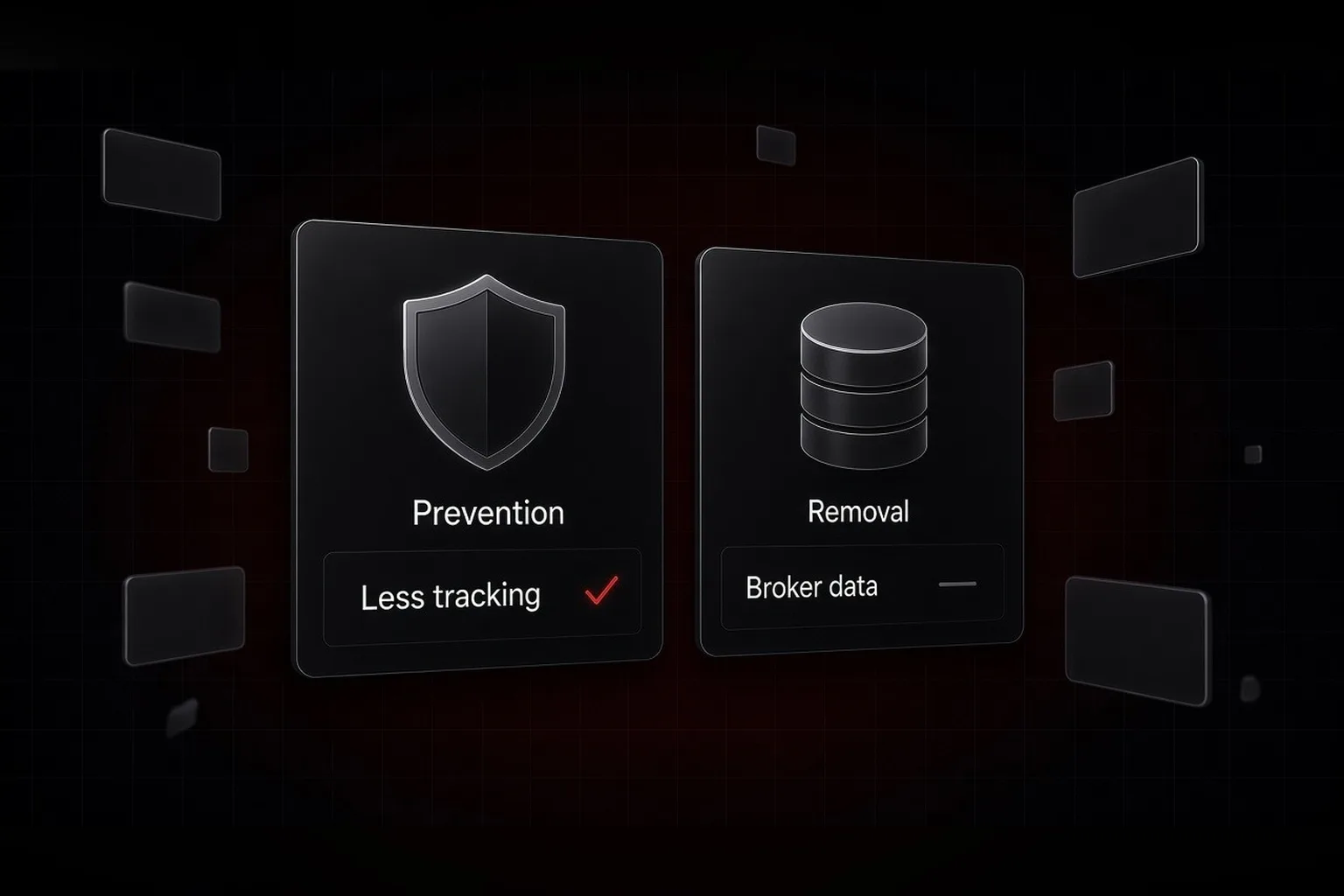
The practical divide is between prevention and remediation, not between Apple’s three features. Apple helps users disclose less information or face less tracking in the future. Removing copies that already exist elsewhere requires separate action.
It is like turning off a leaking tap after water has spread across several rooms. Stopping the flow limits additional damage, but it does not remove what has already escaped. Every copied record becomes a separate cleanup problem beyond the controls Apple places on its own devices and services.
Apple users should not assume that enabling privacy settings completes that cleanup. The settings remain useful, but the source supports a narrower conclusion: they reduce prospective exposure rather than reverse historical collection. Users concerned about existing records must treat removal as a separate task.
Privacy-product builders face the same distinction. A credible product should specify whether it blocks new collection, masks information, or seeks deletion of existing records. Grouping those functions under a generic privacy label makes it harder for users to understand which problem they are paying to solve.
The report draws attention to a problem that device-level controls cannot settle. Apple can change how its ecosystem handles future tracking, but it does not control independent databases that already possess user information. Even a tightly integrated platform cannot complete that cleanup on its own.
Users therefore need two privacy plans: keep Apple’s preventive controls enabled where appropriate, then separately identify and pursue removal of records already held outside Apple. Coverage remains unresolved. The source does not establish whether any available removal approach can reach all of the hundreds of databases where a person’s information may have spread.
This article is not legal advice.