Microsoft and NVIDIA are proposing a shared taxonomy, evaluations and controls to help enterprises manage open-weight model risk.
Microsoft announced the joint whitepaper. The company said its purpose is to help enterprises manage risks when deploying open-weight models. Its approach has three parts: a shared taxonomy, evaluations and controls.
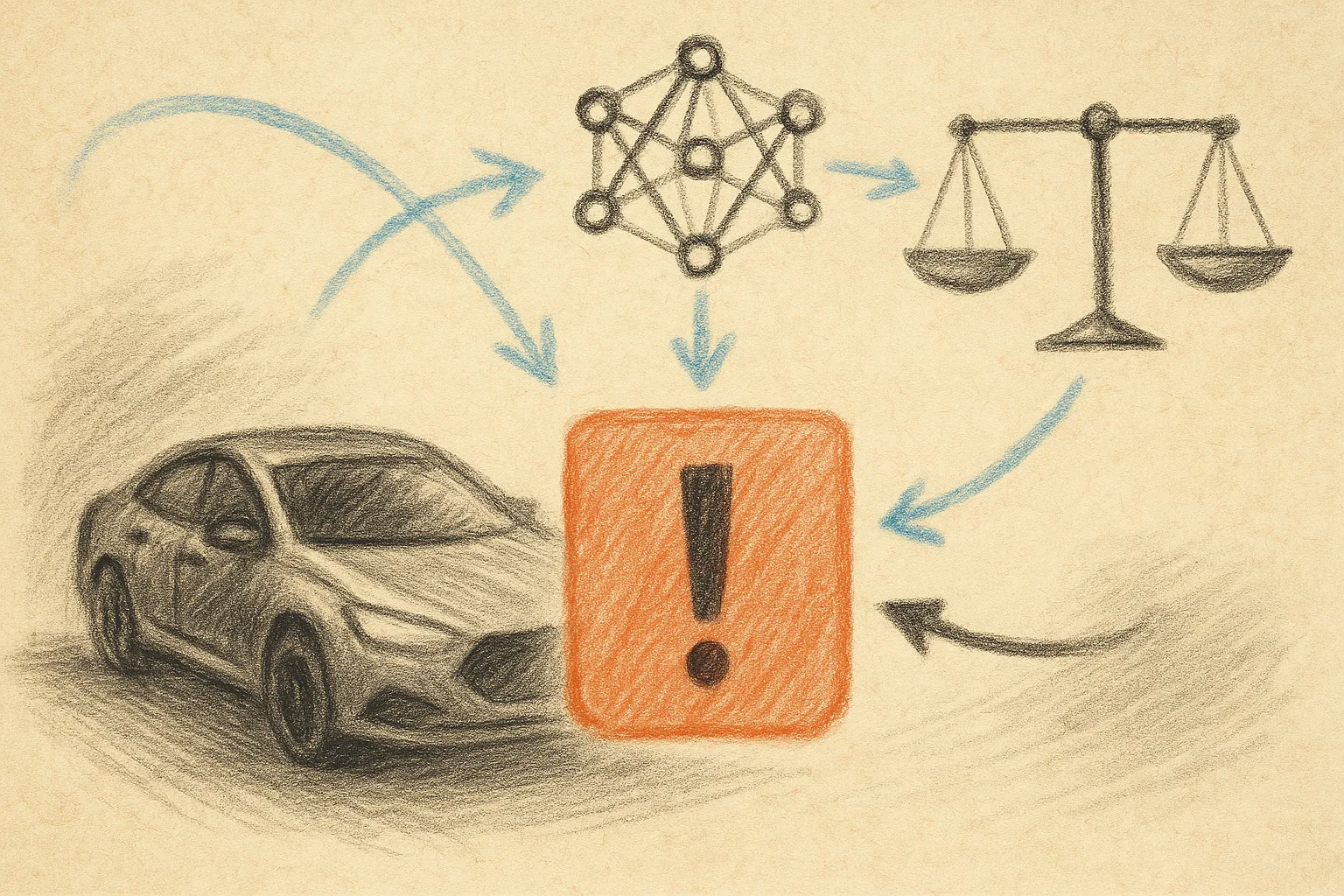
A shared taxonomy provides a common vocabulary for risk. Evaluations are checks used to examine those risks. Controls are the measures applied in response. This approach resembles a building code: teams agree on names for hazards, conduct inspections to find them and set requirements for what must be fixed.
No numerical findings appear in the announcement. It includes no benchmark scores, incident counts, percentage reductions or comparisons between controlled and uncontrolled deployments. Readers therefore cannot determine from the announcement how often the evaluations detect problems or how much the proposed controls reduce risk.
That gap matters for enterprise buyers. A taxonomy can make internal discussions more consistent, but consistency does not show that a control works. Builders still need measurable thresholds, repeatable tests and clear decisions tied to the results. Without them, an evaluation can become documentation rather than a release gate.
No limitations acknowledged by the authors appear in the announcement. It gives no detail about the models examined, deployment settings, threat scenarios or evaluation coverage. This publication should therefore be treated as a risk-management framework, not as evidence that a particular model or deployment is secure.
For builders, the framework offers a structure for turning broad security concerns into an operating process. A team can adapt the high-level approach by:
- naming each relevant risk category before deployment;
- assigning an evaluation to each category;
- setting a documented threshold for acceptance or escalation;
- mapping failed checks to specific controls and owners; and
- recording evidence so the decision can be reviewed later.
This process also exposes a tension around open-weight models. Their deployment flexibility can leave organizations with more responsibility for deciding what to test and which safeguards are sufficient. Microsoft and NVIDIA’s framework may help organize those decisions, but the announcement does not establish which thresholds enterprises should use.
A concrete next step is to require the full whitepaper and measurable pass-or-fail criteria before using the framework in a production approval process. A shared vocabulary can begin the review, but it cannot complete it.