One dog. One reported reduction of roughly 75%, though the endpoint was not specified. Now, an AI-assisted cancer vaccine startup. But the result carries a critical limitation: the dog received another therapy alongside the vaccine, making the vaccine’s contribution impossible to isolate.
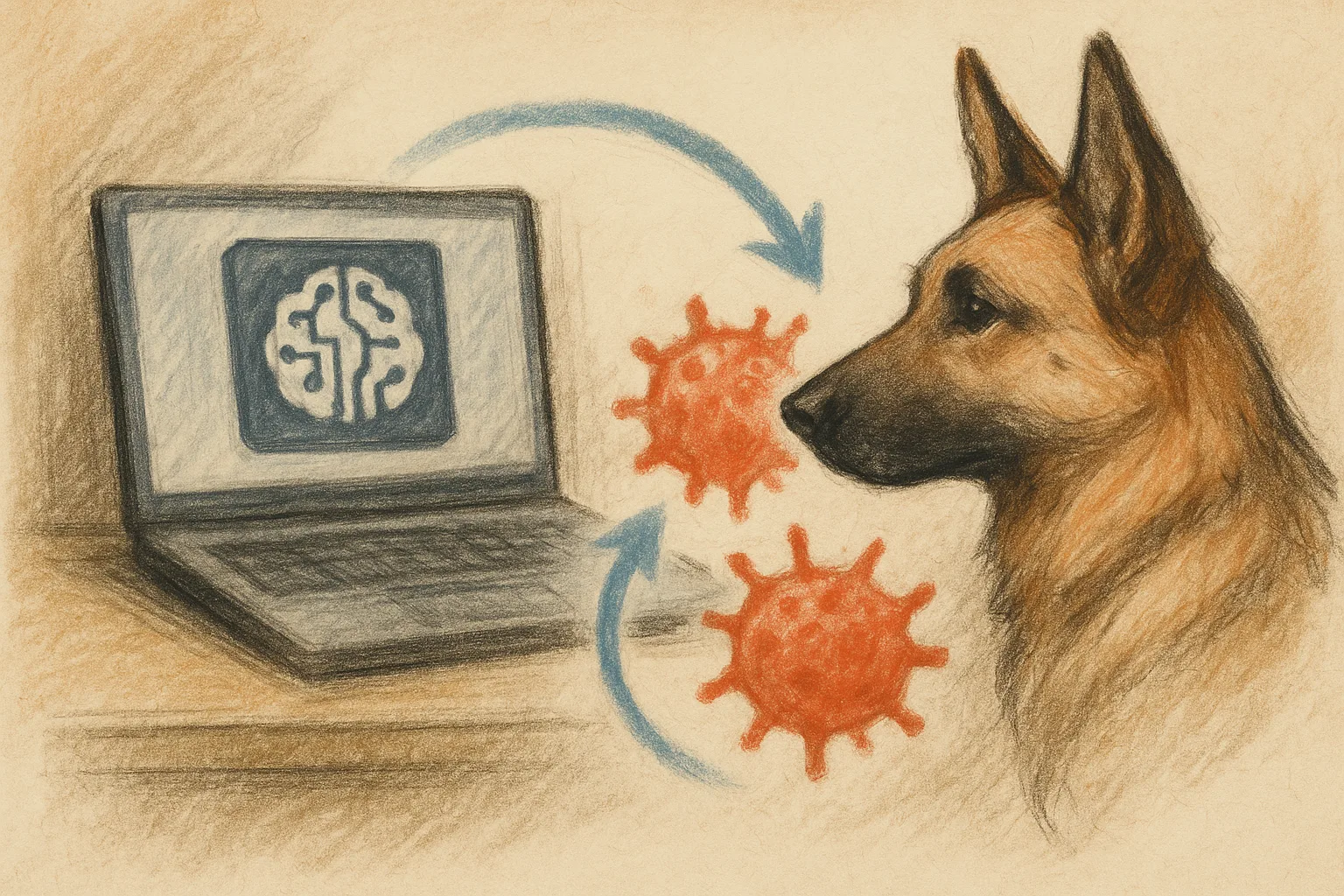
The Verge reports that Australian technology entrepreneur Paul Conyngham has launched Gamgee, a Y Combinator-backed company offering personalized mRNA cancer vaccines for dogs. Its longer-term ambition covers other animals, diseases and eventually humans.
Gamgee began with Rosie, Conyngham’s Staffordshire bull terrier-Shar Pei mix, rather than a controlled study. Conyngham, who says he is not a biologist, used ChatGPT, Grok and computational genomics while developing a vaccine tailored to Rosie’s tumor. Gamgee credits the intervention with extending her life and reports that several tumors shrank.
A personalized vaccine begins with information from one patient’s tumor. Computational tools identify biological targets specific to that cancer, then an mRNA vaccine is designed around them. Gamgee says this process can deliver a finished vaccine in about four weeks, require less than 20 minutes of a veterinarian’s time and avoid any new clinical workflow.
That speed is central to the product. Personalization has limited value if treatment arrives too late. The process is like cutting a key for one lock instead of making a master key for every cancer. Yet fast key cutting proves little unless the key actually opens the door.
The evidence remains narrow. Gamgee cites a reduction of roughly 75% in its first documented case but does not specify whether that figure measures tumor volume, tumor count, a particular lesion or another endpoint. It explicitly warns that the four-week production timeline comes from that single case and may vary. The company does not disclose costs on its website, according to The Verge.
Attribution is the harder problem. Rosie received the mRNA vaccine alongside another therapy. With no comparison group and no way to separate the treatments, her improvement cannot establish that the vaccine caused the reported reduction. The Verge also reports that researchers questioned AI’s contribution, arguing that broad accounts gave software too much credit while understating the work done by people.
This is the line between an encouraging case report and dependable clinical evidence. One positive outcome can support further testing. It cannot establish effectiveness, reveal adverse effects or identify which patients are most likely to benefit. Gamgee says it is recruiting for its first clinical trials in Australia, has opened a waitlist elsewhere and is accepting cases globally. It also says it is collaborating with the University of Queensland and institutes at the University of New South Wales.
Builders should separate three claims: what the model suggested, what specialists and laboratories produced, and what the treatment demonstrably caused. Turnaround times can measure product speed. Medical effectiveness needs trial design capable of distinguishing the intervention from other care. Blurring those categories strengthens the launch story while weakening the evidence behind it.
Proper comparisons in Gamgee’s first trials could show whether Rosie’s case is repeatable. Can the company demonstrate that its personalized vaccine improves outcomes beyond the other therapies these dogs receive?