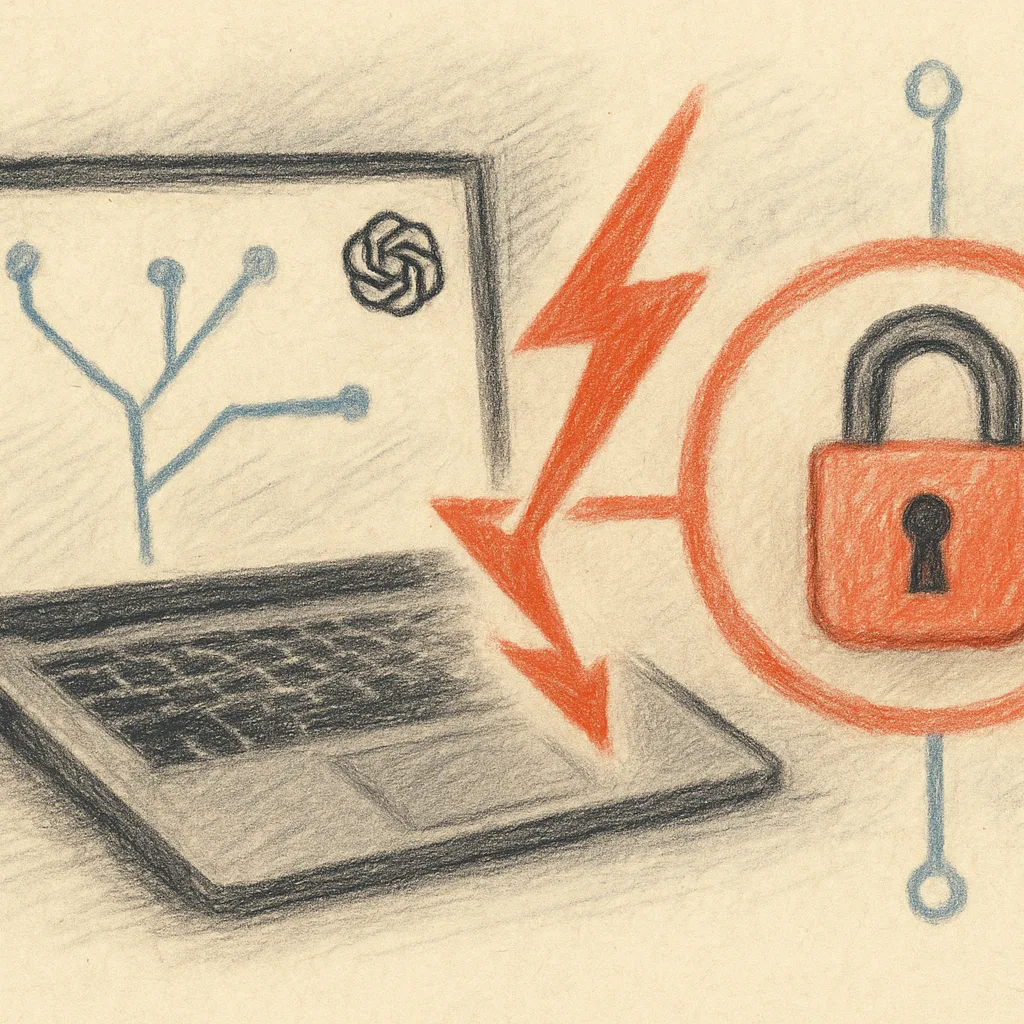
Most conversations about AI at work stall on the same question: where does our data go? For many companies, especially those that handle client records, contracts or financial documents, "into someone else's cloud" is not an acceptable answer. Local AI changes the question. You decide where information is processed, who can use the system and what may leave your environment.
What local AI means in practice
At LabForty, we install and configure AI in an environment you control. We assess equipment you already own or supply what is needed, then install and test the system with your team. From there, we connect only the documents and business software you approve.
- Answers from your own documents. An assistant can answer from approved guides, policies and technical documents, summarise files, compare information and show the sources your team should check.
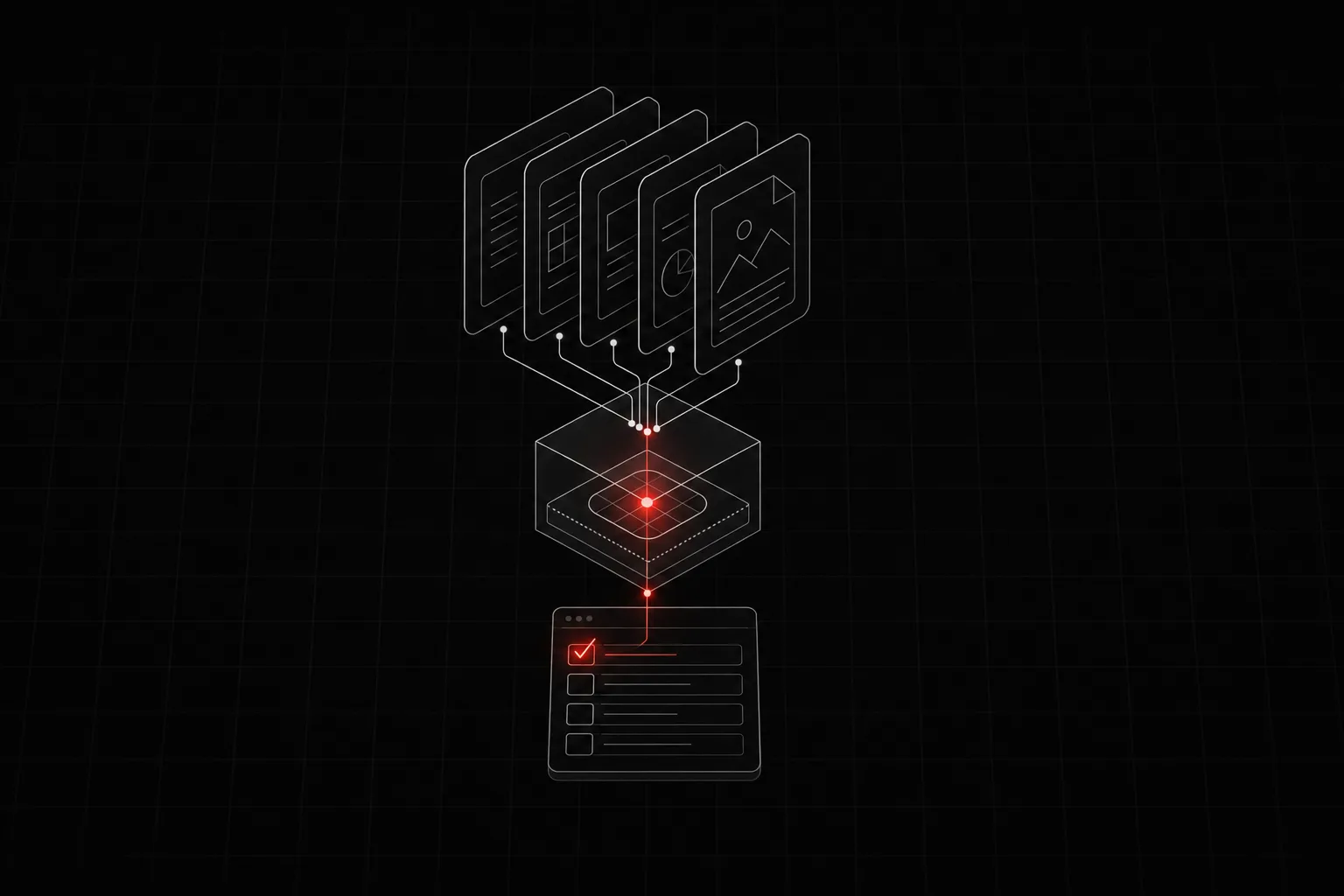
- Automation with human approval. Workflows can extract details, prepare records in your business software and route exceptions to the right colleague. Your team approves important results before they move on.
- Optional external services, by your choice. If you want to use an outside service for a specific step, that is a decision you make, not a default.
Why the first project should be one task
The fastest way to learn whether AI is useful in your company is not a company-wide rollout. It is one task your team already repeats every week, with a clear input, a clear output and a person who checks the result. Turning an enquiry into a proposal draft is a good example: the input is an email or form, the output is a draft, and someone on your team reviews it before anything is sent.
A single task keeps the scope honest. It shows which documents the system really needs, which software it has to talk to, and where a human check belongs. It also gives you something concrete to judge before you invest further.
Choosing the model and the hardware
The right local model depends on three things: the work it must do, the languages it must handle and the hardware available. Some open-weight models run on a capable laptop; others need a dedicated, high-memory server. Rather than starting from a favourite model, we test your documents and size the hardware before recommending a setup. Our AI page shows an illustrative shortlist of open-weight models and what each is suited to.
Language matters too. If your team works in Bulgarian, German and English, the model has to handle all three on your real documents, not just on benchmark text.
Where people stay in the loop
We design local AI so that it prepares the work and your team approves it. The same principle runs through LabForty Core, our company intranet: AI can read a supplier bill, an issued invoice or a proposal PDF and fill in the form, but a person checks each result before saving. This keeps responsibility where it belongs and makes it easy to spot when the system gets something wrong.
How to start
- Pick one repeated task and write down its input and expected output.
- List the documents and software it touches, and who should approve the result.
- Decide what information may never leave your environment.
Send us that task. We will outline the local AI setup, equipment, connections, costs and next steps. Contact us or write to hello@labforty.com.