
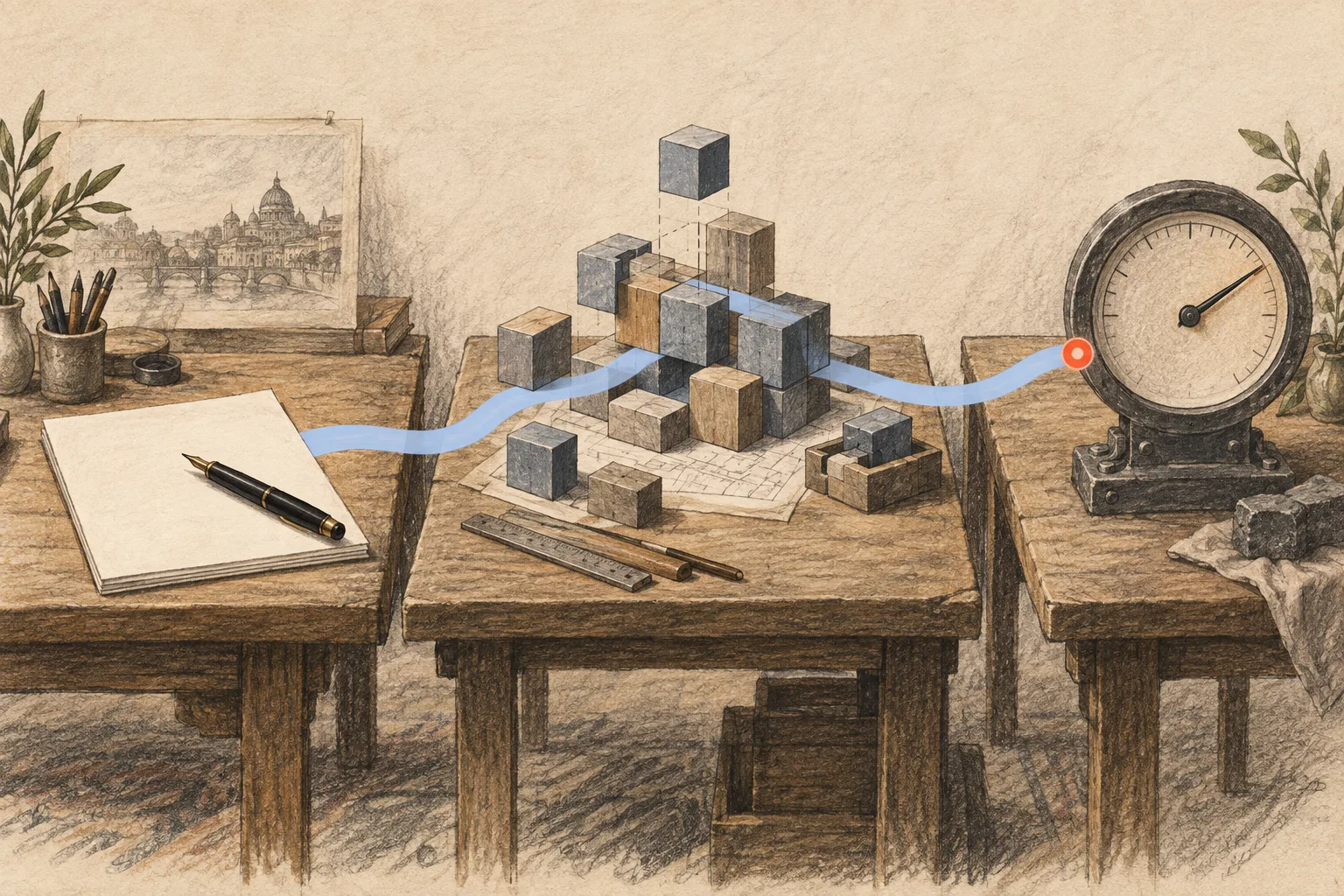
OpenAI disclosed on September 14, 2026, that Perplexity is using GPT-6 Astra across communications, software changes and production-system monitoring. The development puts one model into several stages of an operational workflow rather than limiting it to a single task.
OpenAI says Perplexity checks Astra’s work substantially less often than it checked earlier models. The company provided no inspection rate or failure rate, so the scale and safety of that reduction cannot be independently assessed from the published information.
Supervision frequency is a practical measure for agentic systems. A model that requires approval after every step remains an assistant. One that completes longer workflows begins to act more like an operator.
The available facts leave most conventional release details unanswered:
- No parameter count is disclosed.
- No benchmark scores or named evaluation sets are provided.
- No architecture, training method, modality support or context-window size is described.
- No license, public availability terms or pricing are stated.
On the supplied evidence, GPT-6 Astra cannot be compared numerically with the previous state of the art. The only direct comparison is operational: OpenAI reports that Perplexity needs fewer check-ins than it did with earlier models.
That could indicate greater reliability during multi-step work. It does not replace controlled benchmarks measuring accuracy, software defects or production incidents.
The reported change concerns the scope of delegation, not a documented architectural advance. Writing messages, modifying software and monitoring live systems expose the model to three different levels of risk.
A weak draft can be edited. A faulty code change can affect a product. A missed production warning can delay a response. Combining those jobs tests whether one system can retain context and follow instructions across an extended workflow.
It is like giving a contractor access to the plans, the tools and the building’s alarm panel. Completing the entire job creates the value. It also allows one mistake to travel further before a person intervenes.
Astra is therefore most relevant to teams evaluating agents for software engineering, operational monitoring and internal communications. OpenAI’s report does not establish that the model is ready for unsupervised deployment elsewhere.
Builders would still need task-specific evaluations, access controls and clear rollback paths before treating reduced oversight as evidence of dependable autonomy.
Model comparisons are moving beyond answer quality toward how much work a system completes between human reviews. Astra’s significance will depend on evidence OpenAI has not yet supplied: measurable error rates, the conditions under which Perplexity intervenes, and whether lower supervision remains safe when workflows can change software or affect production systems.