Deutsche Bank and Ant Digital Technologies announced on November 9, 2026 the publication of a joint white paper, Agentic Payments in Wholesale Finance. Deutsche Bank also posted a page for the paper the same month.
The paper looks at what happens when AI agents can interpret objectives, weigh alternatives and take action in wholesale finance, and asks how much authority institutions should delegate. In his foreword, Sabih Behzad, Head of Digital Assets and Currencies Transformation at Deutsche Bank, wrote that the potential value lies not simply in executing payments automatically, but in improving how those decisions are made, coordinated and controlled.
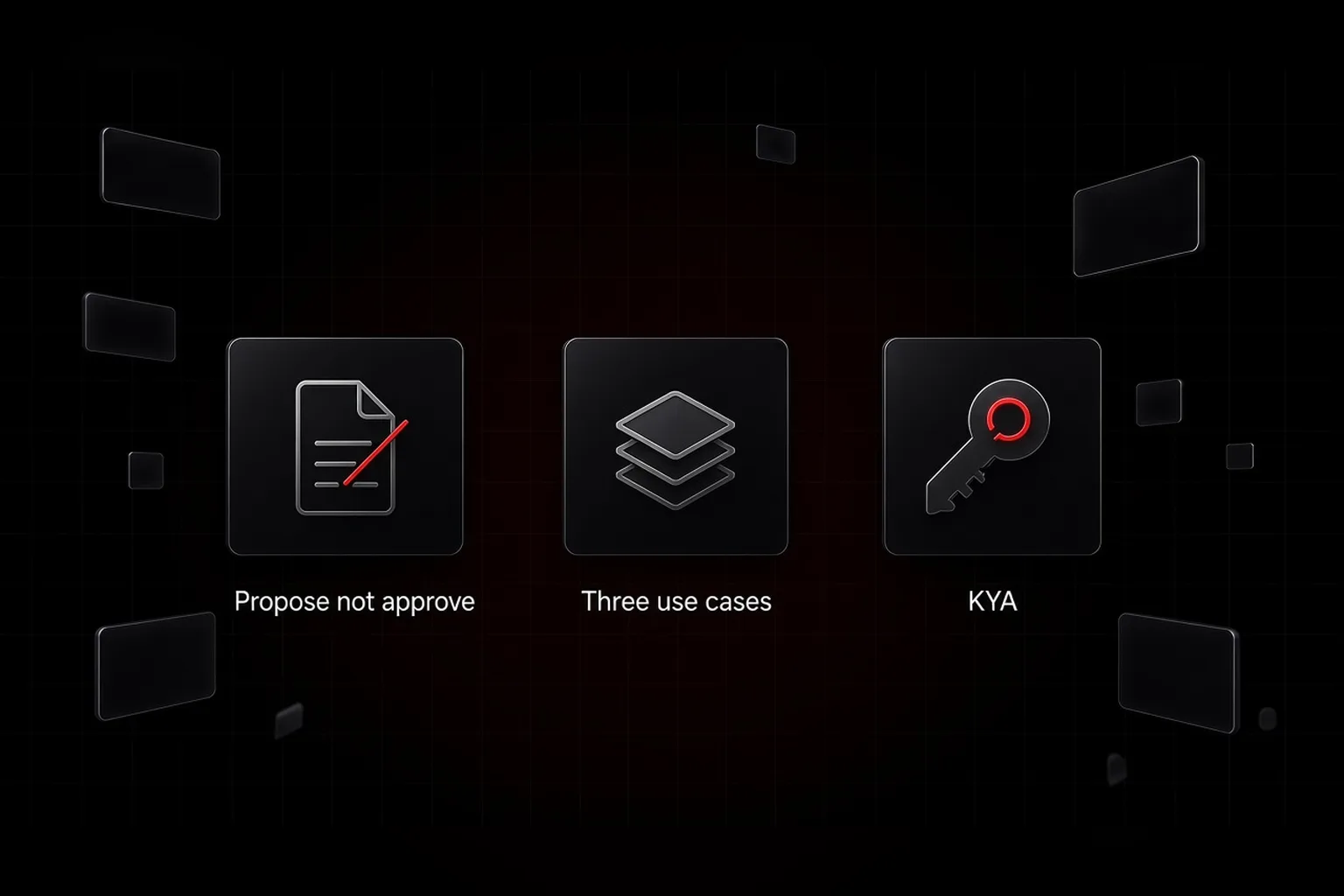
Three use cases are highlighted. In treasury liquidity management, agents could anticipate shortfalls and surpluses and assess permitted responses across internal transfers, investment, external funding and foreign exchange. In cross-border payment orchestration, agents could weigh FX conversion, payment rails and timing against cost, speed, availability, regulatory requirements and settlement risk. In trade finance, agents could read transaction data and documents, flag discrepancies, manage exceptions and prepare financing or payment instructions once conditions and approvals are met.
The paper argues for bounded agentic execution rather than open autonomy. It draws on a three-layer reference architecture proposed by the International Monetary Fund: intent and orchestration, control and authorisation, and settlement. Zhuoqun Bian, President of Ant Digital Technologies, wrote in her foreword that agents need a verifiable identity bound to an accountable owner, that authority must be explicit, machine-readable, bounded and revocable, and that decision-making, control and execution must be separated, so that an agent may propose but cannot extend its own authority. The paper also calls for Know Your Agent checks. It uses Ant Digital's Anvita Flow platform as an implementation case study, not as a Deutsche Bank product announcement.
Why this matters
Two large wholesale institutions are now putting on paper the same control pattern already appearing in retail: the agent drafts, a separate layer authorises, and settlement stays outside the model's reach. Banks designing agent access to treasury or trade finance will be asked for identity, a revocable mandate and a clean split between proposal and approval.
Sources: Deutsche Bank white paper page, Ant Digital Technologies announcement.
This article is for informational purposes only and is not investment advice.
This article is not legal advice.