Some Claude output will soon carry a hidden signal. Anthropic is adding a statistical watermark to comply with the EU AI Act’s Transparency Code, meaning certain generated passages will contain a machine-detectable pattern without looking different to readers, according to TechCrunch.
The regulatory goal is identification. TechCrunch says the Transparency Code “requires AI companies to use systems that make it possible to identify AI-generated content.” Anthropic’s approach addresses that requirement, but it is not a universal detector for every document that Claude has touched. That distinction defines the system’s practical scope.
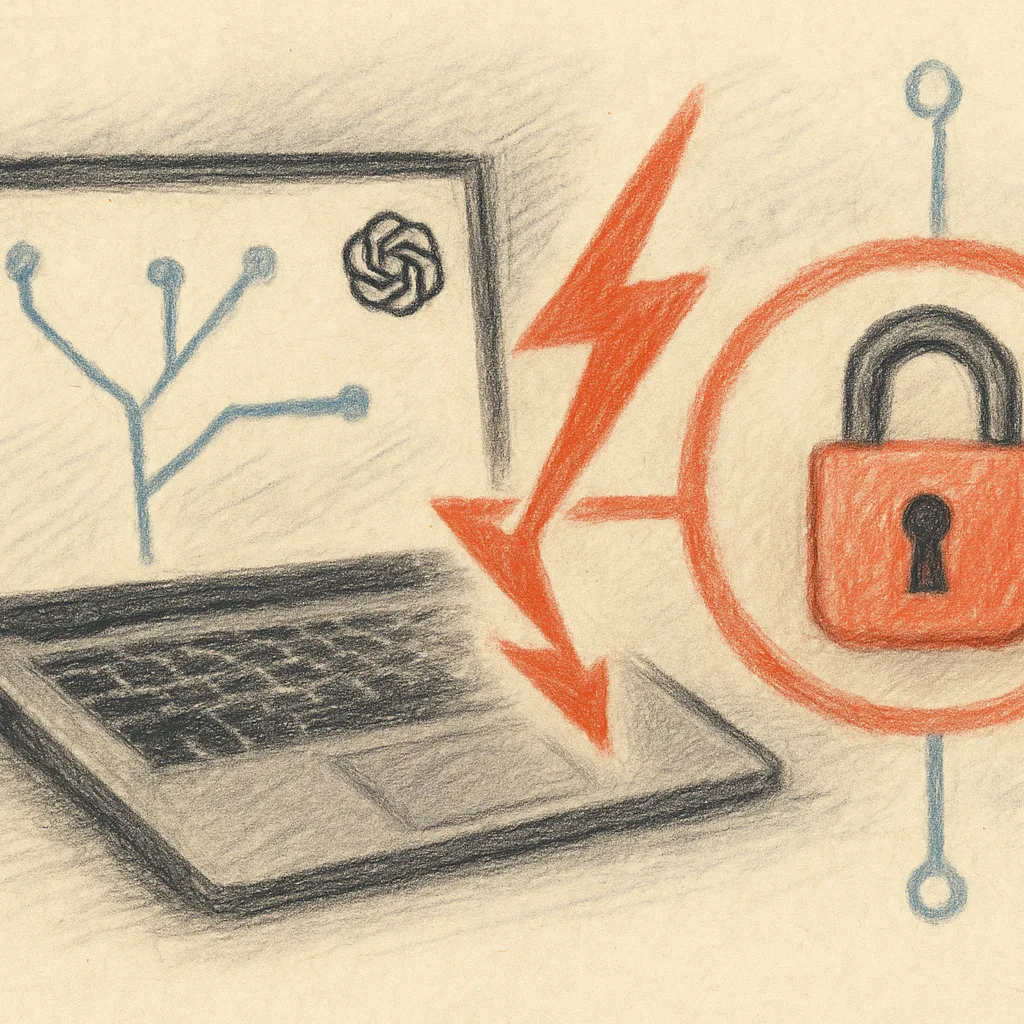
The watermark is created through word selection. During generation, Claude will choose among valid words in ways that form a pattern checkable with the appropriate key. It is like laying ordinary floor tiles in a coded arrangement: no individual tile stands out, but the complete layout carries information. Anthropic plans to use SynthID-Text, which Google DeepMind described in 2024, and release a watermark-detection API.
This design makes the signal dependent on Claude having enough freedom, and enough text, to establish a recognizable pattern. The watermark is therefore less like a permanent label attached to a file and more like residue left by the generation process. It can indicate how text was produced, but it cannot prevent later changes from weakening that evidence.
The strongest effect will fall on Claude users publishing substantial passages generated by the chatbot. Anthropic said light editing probably will not destroy the signal, while replacing every word can remove it. Regulation can require traceability at generation. It cannot make that trace permanent after unlimited rewriting.
Proofreading and light editing create a threshold rather than a binary answer. Detectability will depend on the document’s length and how much Claude changes. If a human author’s words still make up most of the document, Anthropic says there may be little or no generated material available to carry the watermark. A document can involve Claude without containing enough Claude-generated language for detection.
That boundary matters because the system measures generated language, not mere model involvement. It may identify a long chatbot-produced passage while leaving little evidence in writing that received limited assistance. The watermark can support provenance checks, but it does not turn every Claude-assisted document into a reliably marked object.
Code exposes the same trade-off more sharply. Functional requirements reduce the model’s freedom to choose words and symbols, leaving less room for a statistical pattern that does not change how the software works. Anthropic says arbitrary language, including code comments, could carry a watermark, while executable code should face negligible impact. The signal is strongest where language is flexible and weakest where correctness narrows the choices.
Compliance also depends on verification. Anthropic must create the pattern during generation and provide a way to test for it, rather than relying only on a visible disclosure. That makes the planned API as important as the watermark itself: a hidden pattern has limited practical value if users and regulators cannot check it. The source provides no release date, access rules or accuracy figures for the API.
- 2024: Google DeepMind outlined the SynthID-Text approach Anthropic plans to adopt.
- Earlier in the week ending August 15, 2026: Anthropic initially disclosed that Claude text would be watermarked for compliance.
- August 14, 2026: Anthropic provided further technical explanations.
- August 15, 2026: TechCrunch reported those additional details.
Anthropic says other major model developers signed the same code and will introduce their own watermarks. The report does not name those developers or describe a shared detection standard. That leaves the larger compliance question unresolved: will regulators and users get interoperable detection tools, or separate vendor keys and APIs that identify only each company’s output?