OpenAI introduced ChatGPT Wallet on 13 November 2026. It lets ChatGPT agents, called dots, pay for purchases on a user's behalf. OpenAI built it with American Express, Chase, Mastercard and Visa.
How a purchase works
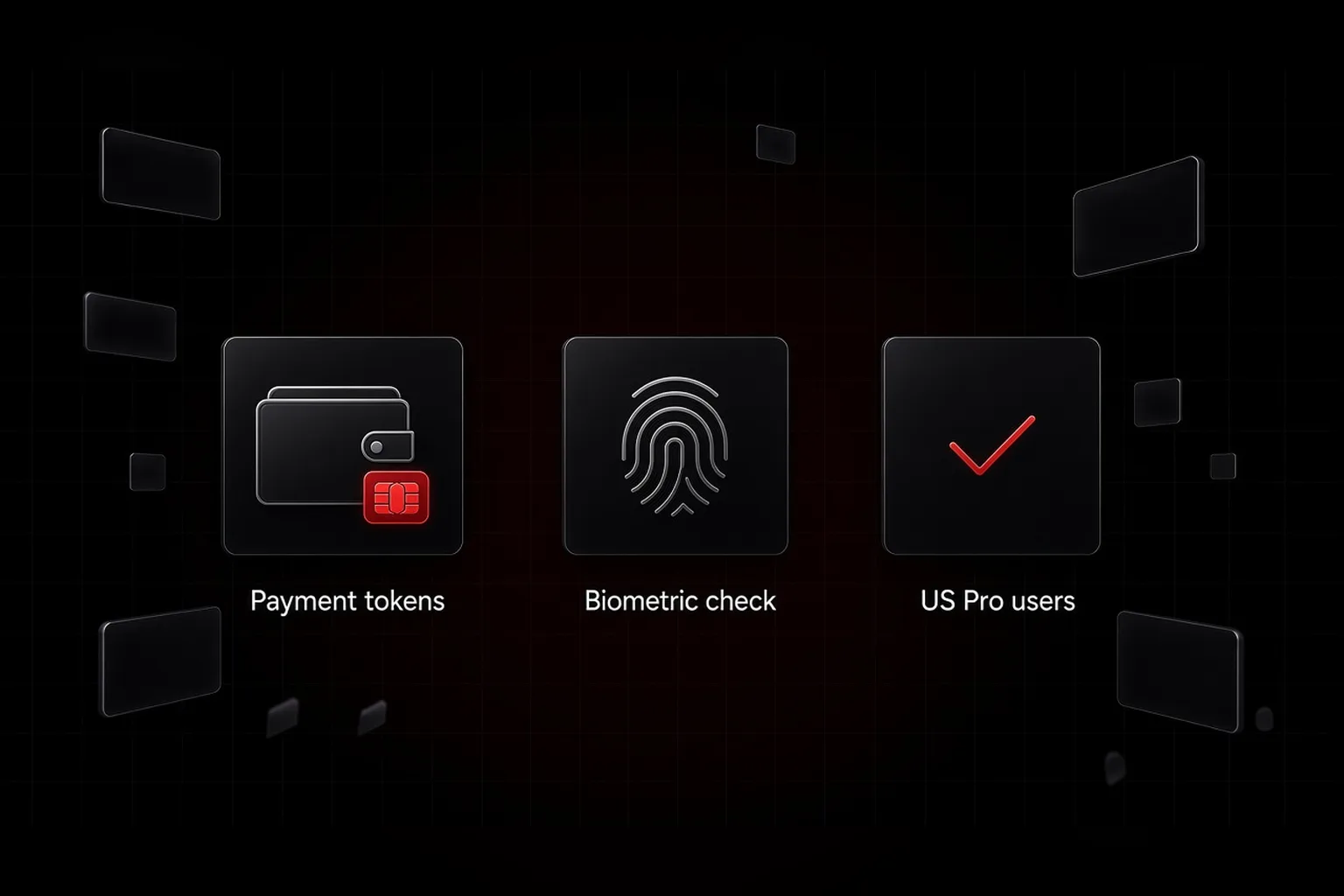
The user adds a card once. Before each purchase, the user sees the items, the total and the selected card, and approves with a security check such as Face ID or a fingerprint scan. Each approval creates a record of what the user authorised.
After approval, the payment network issues a payment token, a substitute card number with its own security code and expiry date. The business and the agent never see the real card details. OpenAI says users keep their card rewards and the protections for eligible disputes, and businesses keep control of pricing, fulfilment, returns and customer service.
Availability
ChatGPT Wallet starts rolling out in dots for ChatGPT Pro subscribers aged 18 and over in the US, with eligible US-issued cards. OpenAI says it is starting small to learn from real use. Later, it expects users to set limits such as spending caps, categories or time periods and pre-approve purchases within them.
What businesses need to do
OpenAI also published a Commerce Partner Playbook. It asks businesses to claim their listing in ChatGPT and upload a product feed, to configure their CDN or firewall to recognise signed agent requests with Web Bot Auth, and to work with payment and risk providers so legitimate agent purchases are not declined. OpenAI names Forter, Riskified, Sardine and Signifyd for fraud prevention, and Adyen, Checkout.com and Stripe as payment providers it is working with.
Why this matters
The tokens work with existing checkout flows, so the first problem for many shops will be risk rules that block agent traffic, not the payment itself. Banks and card issuers will see a new kind of transaction with a recorded customer approval behind it, and their fraud models will need to tell it apart from automated abuse.
Sources: OpenAI announcement.
This article is for informational purposes only and is not investment advice.
This article is not legal advice.