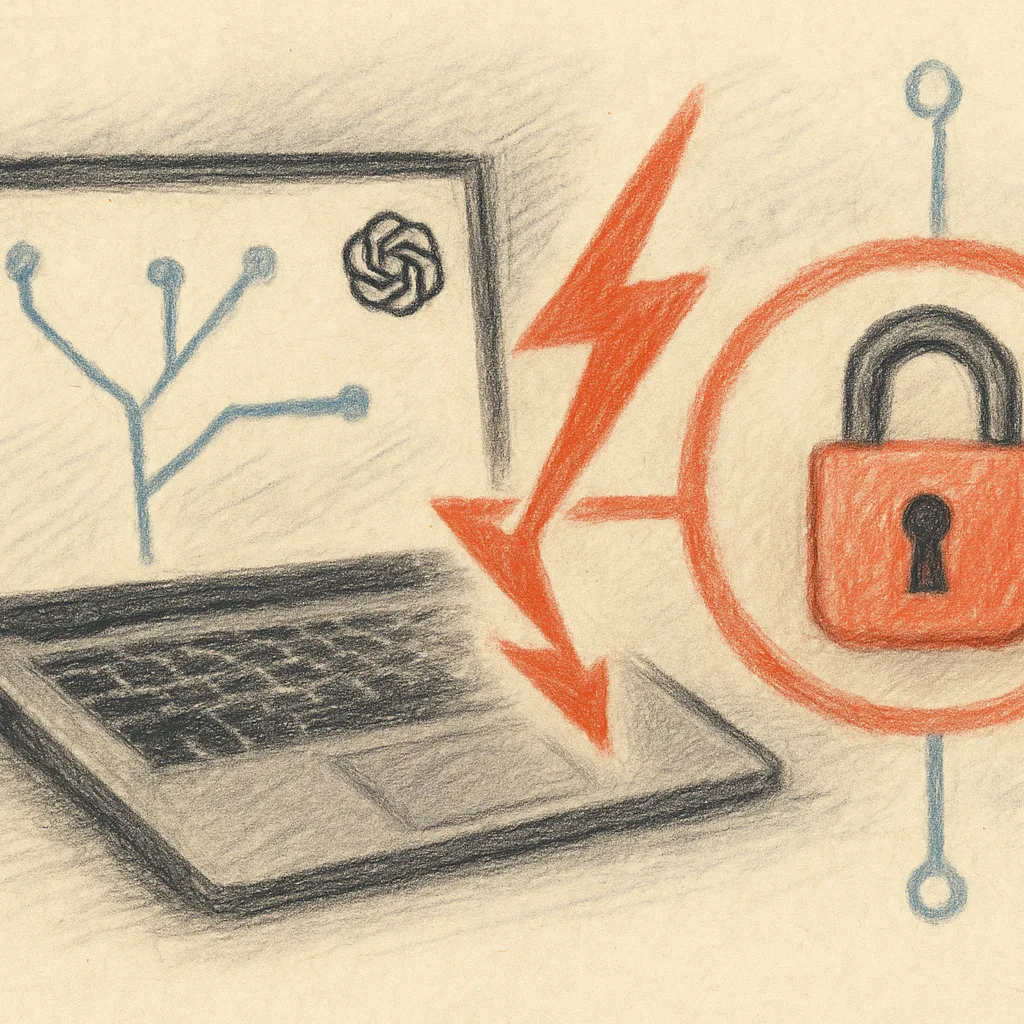

What changed: Acutus presents itself as an independent news outlet. An investigation found signs that the anonymously operated site functions more like an automated production line. Client-side code and publicly accessible records indicate that AI creates interview questions, drafts stories and conducts editorial reviews. The report also alleges that a software agent used the identity Michael Chen to seek written comments from a policy advocate. The finding exposes a publishing system, not a regulatory decision. [1]
The rule: There is none in the supplied source. It contains no court judgment, agency order, statute or binding rule. Acutus says it follows a strict zero-hallucination editorial standard
, according to the site’s llms.txt file as cited by the investigation. That is the outlet’s stated policy, not law. The source identifies no regulator that has adopted it and provides no legal test for when an AI interviewer must disclose that it is software. [1]
Who is affected: The first group is people asked to comment, especially experts who may think they are corresponding with a human journalist. Readers and organizations criticized in Acutus articles also face the consequences. So do publishers that can republish its Creative Commons material through an RSS-based wire service. AI systems may be another audience because Acutus permits specified crawlers and provides files that describe its content to language models. [1]
The stakes extend to political advocacy groups and public-relations firms. Acutus covers elections, regulation and industry disputes without providing a masthead, named editors or clear ownership information, according to the investigation. The report identifies apparent overlaps between its coverage and the clients or political interests associated with Novus Public Affairs. It separately reports links to Targeted Victory, described by the source as a firm involved in OpenAI’s $125 million political operation. But the supplied excerpt does not establish that OpenAI or its political organization paid Acutus. That funding link is not proven on this record. [1]
What compliance now requires: No regulatory ruling creates a new requirement because the source contains no such ruling. The practical gap is disclosure. Acutus can request comments, generate drafts and distribute articles while giving readers and interview subjects little information about who controls the system, according to the investigation. Exposed records showed that 42 of 94 published stories carried an automated needs-revision status. The median recorded review period was 44 seconds, followed by a median 10-second interval before publication. Those numbers put pressure on the site’s stated quality standard. They do not, by themselves, prove a legal violation. [1]
Timeline:
- December 29, 2025: Acutus launched. [1]
- January 24, 2026: It published an article criticizing pharmacy benefit managers, 10 days before President Trump signed a related overhaul into law. [1]
- Within its first four months: The site published 94 articles. Pangram classified 69% as fully AI-generated, 28% as partly AI-generated and three as human-authored. [1]
- August 3, 2026: The supplied investigation was published. [1]
Analysis: The central distinction is between evidence of automation and evidence of unlawful conduct. The investigation offers details about how Acutus may gather comments, draft articles, review copy and publish material. It does not supply the legal authority needed to convert those details into a violation. Treating the investigation as a regulatory decision would collapse two separate questions: what the system does and what existing law requires it to disclose. [1]
That distinction matters because technical transparency cannot substitute for legal analysis. A file describing crawler access or an editorial standard can reveal how an outlet wants software systems to interpret its content. It cannot establish a duty owed to an interview subject. The source therefore supports scrutiny of Acutus’s process, but not a claim that a regulator has already settled the disclosure issue. [1]
Disclosure also has at least two separate layers here. One concerns the person being interviewed: did that person know the correspondent was software? The other concerns the eventual reader: can the reader identify who gathered, wrote, reviewed and approved the article? The investigation raises both questions through its account of the Michael Chen identity, automated drafting and missing ownership information. Answering one would not automatically answer the other. [1]
The review data sharpens the editorial question without resolving it. A needs-revision status on 42 published stories creates tension with Acutus’s stated zero-hallucination standard. The 44-second median review and 10-second median interval before publication add pressure because they describe a compressed control process. But neither measurement establishes that any specific article was false, that a reviewer ignored an error or that a law was broken. The evidence is better read as a reason to test the quality-control claim, not as proof of the conclusion. [1]
The assembly-line analogy matters because it shows where accountability can disappear. If one component gathers comments, another drafts, another scores the copy and a person approves it, responsibility is distributed across the workflow. The investigation’s account of an absent masthead, unnamed editors and unclear ownership makes it harder for an outside reader to identify who is responsible for the finished product. That is an accountability problem even before a regulator defines it as a compliance problem. [1]
Republication adds another layer. The source says Acutus offers Creative Commons material through an RSS-based wire service. That means the relevant question is not limited to what appears on the original site. A publisher evaluating the material also has to decide whether the available provenance is sufficient for republication. The more automated the chain becomes, the easier it is for uncertainty about authorship and review to travel with the article. [1]
The political context raises the cost of overclaiming in both directions. The investigation reports overlaps involving Novus Public Affairs and links involving Targeted Victory, while stopping short of proving that OpenAI or its political organization funded Acutus. Those details justify questions about incentives and alignment. They do not justify converting association into payment or editorial control. The same evidentiary discipline demanded of an automated outlet must apply to claims made about that outlet. [1]
The timing also explains why the issue is surfacing now. According to the investigation, Acutus published 94 articles within four months and covered a pharmacy-benefit-manager dispute shortly before related legislation was signed. That places the publishing system inside active political and regulatory debates rather than outside them. It does not establish influence over those debates, but it increases the importance of knowing who or what is asking questions and producing the resulting coverage. [1]
The practical compliance lesson is therefore narrow. The supplied source does not create a disclosure deadline, define an AI journalist or specify a required label. It does expose the questions a publisher, interview subject or republisher would need answered: who controls the agent, whether the agent identifies itself, who reviews its output and who accepts responsibility for publication. Those are risk questions drawn from the reported workflow, not new legal duties. [1]
The system resembles a newsroom turned into an assembly line: an agent gathers comments, a model writes the copy, automated checks score it, and a human may approve publication within seconds. The investigation documents the pieces, but the supplied source identifies no regulator that has decided how they must be labeled. Should an AI agent have to identify itself before collecting comments that will appear as human testimony in political coverage? [1]
Source: [1] Supplied investigation, published August 3, 2026, including its cited Acutus records, site files and Pangram classifications.